How Austin Restoration Services Manage Water and Fire Damage

A damaged property rarely faces just one problem. A kitchen fire can leave behind smoke, soot, and firefighting water. A burst pipe can soak floors while damaging walls and furniture. These situations need more than basic cleanup. They require a clear plan that addresses visible damage and problems hidden beneath surfaces.
A water damage restoration service Austin team can inspect wet areas, remove standing water, dry building materials, and identify items that need replacement. When fire damage also occurs, the same project may involve smoke cleanup, soot removal, odor control, and structural assessment. Knowing how these steps work can help property owners make better decisions after an emergency.
What Should You Do Right After Property Damage?
Safety comes before cleanup. If a fire, major leak, or flood has damaged the building, don't enter unsafe areas. Stay away from exposed wires, unstable ceilings, contaminated water, and damaged electrical equipment.
Once the property is safe to enter, identify the source of the problem if you can do so safely. Turn off the main water supply during a plumbing emergency. Avoid using electrical appliances near standing water.
A water damage restoration company Austin professional can then inspect the property and determine how far the water has traveled. Fire-related damage also requires a careful inspection before workers begin cleaning or removing materials.
Keep photographs of damaged rooms, furniture, flooring, and personal belongings. These records may help when you discuss the loss with your insurance provider.
How Does Water Spread Through a Property?
Water doesn't always stay in the room where the leak started. It can move underneath flooring, behind cabinets, through drywall, and into lower areas of a building.
Consider a washing machine hose that suddenly breaks. Water may collect around the laundry room, but it can also move into nearby hallways. Floorboards may absorb moisture before the surface shows obvious damage.
A water damage restoration service Austin technician checks both visible and hidden areas. Moisture meters can help identify damp materials that don't look wet. Professionals may also inspect baseboards, cabinets, insulation, and subflooring.
Finding these areas early allows the restoration team to create a more accurate drying plan.
Why Does Water Extraction Come First?
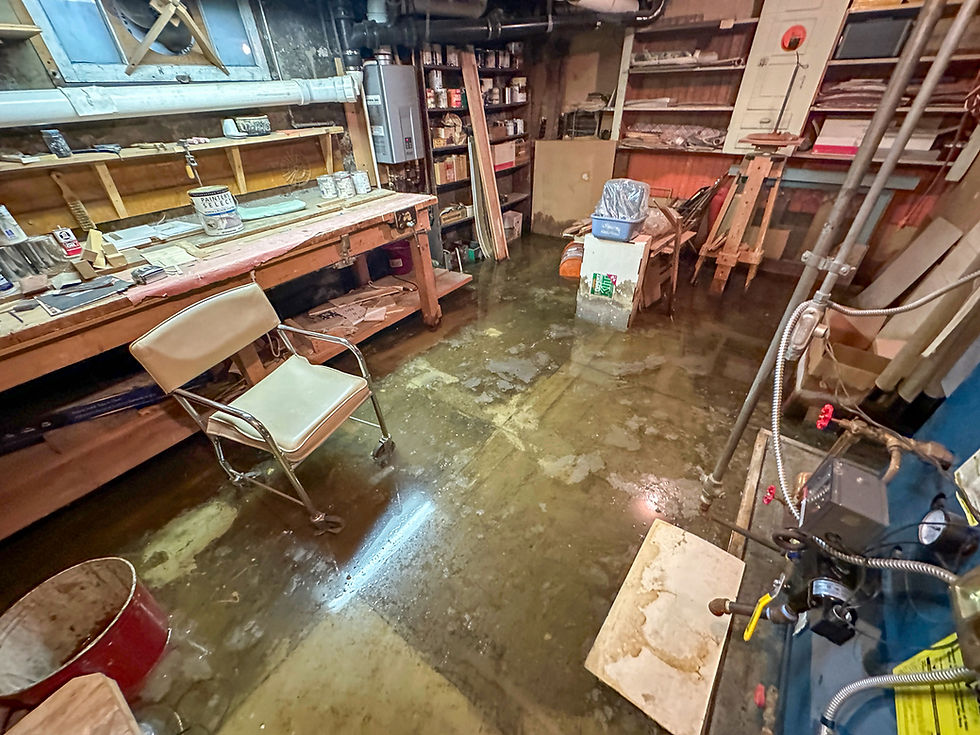
Standing water can continue damaging materials after the leak stops. Carpet padding can hold large amounts of moisture. Wood can swell, and drywall can absorb water quickly.
Professionals use pumps, extractors, and wet vacuums based on the amount of water present. They remove as much water as possible before starting the structural drying process.
A water damage restoration service Austin crew may also move furniture and other belongings away from wet surfaces. This improves airflow and prevents additional exposure.
The extraction stage doesn't mean the property has finished drying. Materials can still contain moisture after visible water disappears.
How Do Teams Dry Wet Building Materials?
Drying requires controlled airflow and humidity management. Restoration professionals often use commercial air movers to circulate air across wet surfaces. Dehumidifiers remove moisture from indoor air and support faster drying.
Technicians monitor the affected areas during the process. They may check floors, walls, ceilings, and other materials several times.
A typical drying process may include:
Measuring moisture before equipment placement
Removing standing water
Increasing airflow across wet surfaces
Lowering indoor humidity
Checking moisture levels during drying
Removing materials that cannot be restored
Confirming proper drying before reconstruction
A water damage restoration Austin provider should not rely only on how a room feels. A surface can feel dry while moisture remains inside a wall or underneath flooring.
What Makes Fire Damage Different?
Fire damage creates several cleanup challenges at once. Flames can destroy building materials, while heat can affect surfaces beyond the burned area. Smoke can travel through rooms and leave residue on walls, ceilings, furniture, and personal items.
Firefighting water can create another layer of damage. A property may need smoke cleaning and water extraction during the same project.
A water damage restoration service Austin team working on a fire-damaged property must account for both issues. Workers may remove charred materials, clean soot-covered surfaces, dry wet areas, and prepare salvageable items for further treatment.
The correct method depends on the type and extent of damage.
How Do Professionals Handle Smoke and Soot?
Smoke residue can settle far from the room where the fire started. A closed bedroom, for example, may contain smoke odors and residue even if flames never reached it.
Soot can also behave differently depending on what burned. Plastic, wood, fabric, and other materials can produce different residues.
Professionals inspect affected surfaces before selecting cleaning methods. They may clean walls, ceilings, cabinets, fixtures, furniture, and other salvageable items.
Odor control also matters. Cleaning visible soot without addressing smoke contamination can leave lingering odors behind.
When Can Damaged Items Get Restored?
Some belongings may remain usable after water or fire damage. Restoration workers can assess furniture, clothing, documents, and other personal items based on their condition.
The type of contamination matters. Clean water from a broken supply line presents a different situation from sewage or floodwater. Fire-damaged materials also require separate evaluation.
A water damage restoration service Austin team can sort belongings into categories such as salvageable items, items requiring specialized cleaning, and materials that cannot be restored.
Property owners shouldn't automatically throw everything away. They also shouldn't keep items that pose a contamination or safety concern.
How Can Property Owners Reduce Future Damage?
Regular maintenance can reduce some common causes of water and fire emergencies. Check appliance hoses, plumbing connections, roof areas, and drainage systems for warning signs.
Keep smoke alarms working and test them according to the manufacturer's instructions. Clean dryer vents and remove lint regularly. Address small leaks before they spread into walls or flooring.
Useful maintenance tasks include:
Inspecting pipes under sinks
Checking washing machine connections
Testing smoke alarms
Cleaning dryer vents
Clearing gutters and downspouts
Checking ceilings for water stains
Repairing roof leaks quickly
These steps won't prevent every emergency, but they can catch problems before they become more severe.
When Should You Call a Professional?
Small, isolated problems may sometimes need only basic cleanup. Larger events require specialized equipment and experience. Call a professional when water covers several rooms, enters walls or flooring, involves contaminated sources, or follows a major fire.
A water damage restoration service Austin professional can assess the property and explain which areas need immediate attention. Ask what caused the damage, what materials they plan to remove, how they will monitor drying, and what cleaning process they recommend.
Clear answers can help you understand the work before reconstruction begins.
Frequently Asked Questions
Can fire damage also cause water damage?
Yes. Firefighters may use water to extinguish flames. That water can soak floors, walls, furniture, and other materials. The property may need both fire cleanup and structural drying.
Can I dry a flooded room with household fans?
Household fans can increase airflow, but they may not provide enough drying power for major water damage. Professionals use commercial equipment and monitor moisture levels during the process.
Does every wet wall need replacement?
No. A professional can assess the material, water source, exposure time, and condition. Some materials can dry successfully, while others may require removal.
Why does smoke odor remain after a fire?
Smoke particles can settle into porous surfaces, furniture, fabrics, and building materials. Surface cleaning alone may not remove all odor sources.
What should I photograph after an emergency?
Take clear photos of damaged rooms, flooring, ceilings, walls, furniture, appliances, and personal belongings. Capture both close-up damage and wider room views.
Conclusion
Water and fire damage require different cleaning methods, but both demand quick assessment and careful planning. Removing visible damage represents only one part of the job. Teams also need to find hidden moisture, address smoke residue, evaluate damaged materials, and prepare the property for repairs.
A water damage restoration service Austin professional can help organize these steps when an emergency affects a home or business. Property owners can support the process by acting quickly, documenting the damage, and avoiding unsafe cleanup methods.
For more information, readers can explore related resources on flood cleanup, fire damage restoration, sewage cleanup, smoke and soot removal, and mold remediation. Each service addresses a different type of property damage and requires its own approach.


Comments