Clean a Flooded Basement Before Moisture Causes More Damage

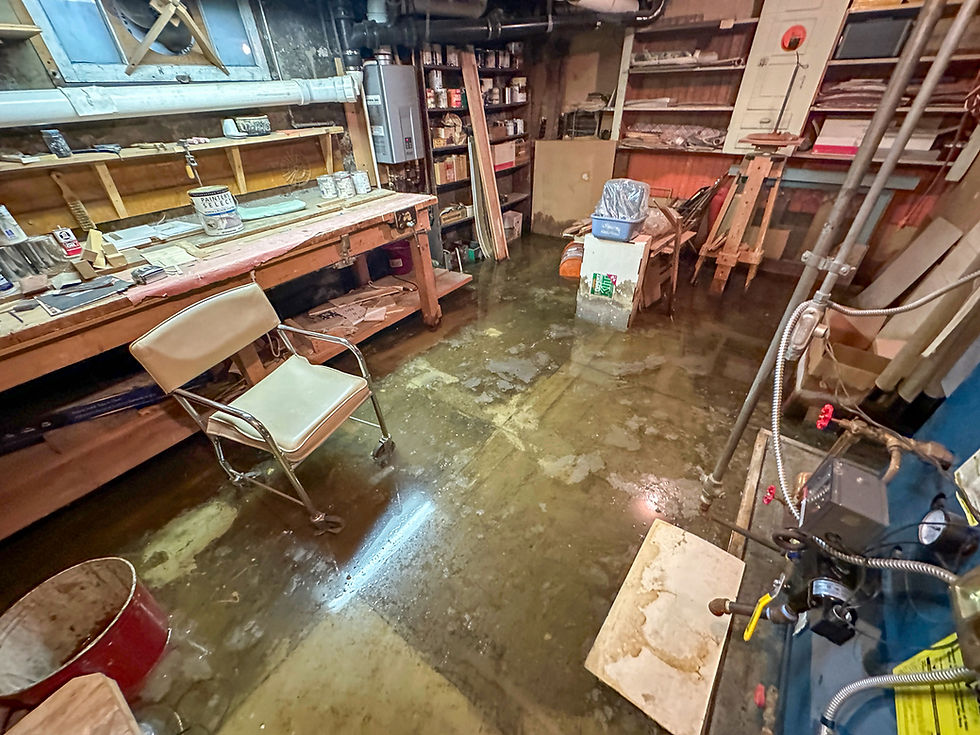
Basement flooding can leave more than standing water behind. Flooded basement cleanup can address water that soaks into walls, flooring, furniture, insulation, and stored belongings. Moisture can also move into small spaces where it stays hidden. Taking the right steps early can limit additional damage and make the cleanup process easier.
The first goal is safety. Before entering a flooded basement, check for electrical hazards, sewage contamination, unstable materials, and other risks. Once the area is safe to enter, remove standing water, separate damaged items, and start drying the space. Some situations require professional equipment and trained restoration workers.
What Should You Do First After Basement Flooding?
Start by finding the source of the water if you can do so safely. A broken pipe, failed sump pump, heavy rain, or sewer backup may continue sending water into the basement. Stop the water source when possible, but never enter an electrical area to reach a shutoff.
Next, keep people and pets away from unsafe areas. Floodwater can hide sharp objects, damaged flooring, exposed wiring, or contaminated material. If the water came from a sewer or drain backup, treat it as contaminated and avoid direct contact.
Once the immediate danger has passed, document the damage. Take clear photos and videos of standing water, damaged walls, flooring, furniture, appliances, and personal belongings. These records may help when you speak with your insurance company.
How Can You Remove Water From a Flooded Basement?
The cleanup method depends on the amount and type of water involved. A small amount of clean water from a minor leak may require different equipment than several inches of water from a storm or sewage backup.
For larger flooding, professionals often use pumps and wet vacuums to remove standing water. They can then use air movers and dehumidifiers to lower moisture levels. These machines help dry materials that may look dry on the surface but still contain moisture underneath.
During flooded basement cleanup, focus on both visible water and trapped moisture. Check corners, closets, baseboards, flooring edges, and wall cavities. A moisture meter can help identify damp areas that aren't obvious during a visual inspection.
Don't rely only on fans placed around the room. Fans can move air, but they don't always remove enough moisture from the building. Proper drying usually requires airflow combined with moisture control.
Which Basement Materials Need Special Attention?
Different materials react to water in different ways. Porous materials can absorb moisture quickly, while some hard surfaces can handle limited exposure when cleaned and dried properly.
Carpet and padding often hold significant moisture. Wet insulation may also need removal because it can remain damp after the visible water disappears. Drywall can absorb water from the bottom upward, especially when flooding reaches wall edges.
Pay close attention to:
Carpet and carpet padding
Drywall and baseboards
Wood flooring and subflooring
Insulation
Cardboard boxes and paper items
Upholstered furniture
Stored clothing and fabrics
Electrical appliances exposed to water
Some belongings may be worth saving after proper cleaning and drying. Others may have absorbed too much contaminated water to restore safely. When deciding what to keep, consider the water source, material type, exposure time, and condition of the item.
Can Basement Moisture Cause Mold?
Yes. Mold can grow when moisture remains in suitable materials for too long. A basement with poor airflow, damp drywall, wet carpeting, or trapped moisture can create conditions that support mold growth.
That doesn't mean every flooded basement will develop a mold problem. Quick water removal and thorough drying reduce the conditions mold needs to grow.
After water extraction, continue checking the basement for damp spots. Musty odors, discoloration, peeling surfaces, and persistent humidity can signal that moisture remains.
If you see widespread mold or suspect that mold has entered hidden areas, consider professional mold assessment and remediation. Avoid disturbing large mold-affected areas without understanding the risks.
What Should You Do With Wet Personal Belongings?
Move salvageable belongings to a dry, clean area when possible. Separate wet items from dry ones so moisture doesn't spread.
Hard items such as plastic containers and some metal objects can often receive cleaning and drying. Paper products, cardboard, and certain fabrics can become difficult to restore after prolonged exposure.
Don't stack wet belongings tightly together. Give each item enough space for air to circulate. Remove soaked cardboard from the basement quickly because it can hold moisture and may become damaged rapidly.
For valuable documents, photographs, furniture, or other important possessions, professional contents restoration may provide better options than throwing everything away immediately.
When Should You Call a Restoration Professional?
A professional can make sense when the basement contains extensive standing water, contaminated water, or materials that need specialized drying. Professional crews can also identify moisture that isn't visible and use commercial extraction and drying equipment.
Consider professional help when:
Water covers a large portion of the basement.
Sewage or drain water entered the property.
Electrical systems may have contacted water.
Walls, flooring, or insulation remain wet.
A sump pump failure caused major flooding.
You notice mold or strong musty odors.
You cannot determine where moisture remains.
Professional flooded basement cleanup can involve water extraction, moisture inspection, structural drying, cleaning, and damaged-material removal. The exact work depends on the water source and the condition of the property.
How Can You Prevent Another Basement Flood?
Cleanup solves the immediate problem, but prevention can reduce the chance of another event. Start by identifying what caused the flooding.
If a sump pump failed, inspect the pump and consider a backup system. If rainwater entered through foundation walls, check gutters, downspouts, grading, and drainage around the property. A plumbing-related flood may require inspection and repair of the affected pipe or fixture.
Keep valuable belongings off the basement floor. Use plastic storage containers instead of cardboard for items that you rarely access. Regularly inspect washing machine hoses, water heaters, sump pumps, and other equipment that can release water.
These small changes won't prevent every flood, but they can reduce the impact of another water emergency.
What Does Professional Basement Cleanup Usually Include?
A restoration team usually begins by inspecting the affected area and identifying the water source. The crew then determines which materials can be dried, cleaned, or removed.
A typical process may include:
Inspecting the basement and documenting damage.
Removing standing water.
Moving or protecting salvageable belongings.
Removing materials that cannot be restored.
Drying walls, floors, and other affected areas.
Checking moisture levels during the drying process.
Cleaning and sanitizing appropriate surfaces.
Reviewing the completed work with the property owner.
Good flooded basement cleanup doesn't end when the floor looks dry. The team should confirm that affected materials have reached appropriate moisture levels before considering the drying phase complete.
Frequently Asked Questions
How long does basement cleanup take?
The timeline depends on the amount of water, materials affected, ventilation, and moisture levels. A minor leak may dry quickly, while major flooding can require several days of active drying.
Should I remove wet drywall?
Wet drywall may need removal when it has absorbed significant water or cannot dry properly. The decision depends on the material, water source, exposure, and extent of damage.
Is basement floodwater dangerous?
It can be. Floodwater may contain sewage, chemicals, bacteria, debris, or electrical hazards. Avoid contact with questionable water and use appropriate protective measures.
Can I clean a flooded basement myself?
Small clean-water leaks may be manageable with basic equipment. Larger floods, contaminated water, hidden moisture, and structural damage often call for professional assistance.
What happens if basement water isn't dried completely?
Remaining moisture can damage building materials and create conditions that support mold growth. Hidden dampness can also cause odors and continued deterioration.
Should I contact my insurance company?
If the flooding caused significant property damage, contacting your insurer can help you understand your coverage and documentation requirements. Keep photos, videos, receipts, and other records related to the loss.
Conclusion
A wet basement needs more than a quick sweep and a few fans. Water can settle behind walls, under flooring, and inside porous materials where you can't see it. Start with safety, stop the water source when possible, remove standing water, and focus on complete drying.
For major flooding or contaminated water, professional flooded basement cleanup can provide the equipment and assessment needed to address the affected areas properly. A careful cleanup also gives you a better chance to identify the cause and take steps that can reduce future basement water damage.


Comments